This website uses cookies to improve your experience. We\'ll assume you\'re ok with this, but you can opt-out if you wish. Read More
The Hardey Family – Founders of Peninsula Farm and Early Maylands
Setting the Scene
If you stand today on the banks of the Swan River in Maylands, looking across that sweeping bend of water, it’s hard to imagine just how raw and uncertain this place once was.
No roads. No suburb. No shops. No railway.
Just bush, river, and opportunity.
And into that uncertainty, in 1830, came one of the most important founding families of Maylands — the Hardeys.
Arrival – The Tranby Story
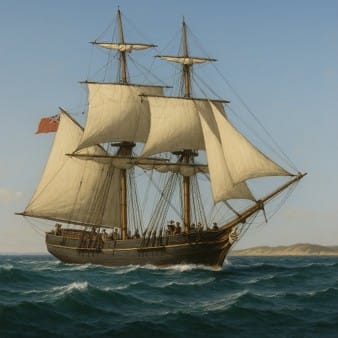
The Hardey story begins with a ship — the Tranby.
In late 1829, a small group of deeply religious English settlers, led by Joseph Hardey (25) and his brother John Wall Hardey (27), set sail from Hull together with Ann Hardey (29), Michael Clakson (25) and James Clarkson (23).
They weren’t just migrants. They were organised.
Farmers. Tradesmen. Skilled workers. A ready-made community.
They arrived in February 1830, among the very earliest settlers in the Swan River Colony.
And crucially — they didn’t scatter.
They settled together.
Land Grants and the Birth of Peninsula Farm
The Hardeys were granted land on what we now call the Maylands peninsula — about 4 miles upstream from Perth.
Joseph Hardey alone received over 100 acres across several lots.
But collectively, the Tranby group controlled hundreds of acres.
This wasn’t random settlement.
This was one of the first organised agricultural communities in Western Australia.
They called it Peninsula Farm.
And from the very beginning, they got to work:
- Clearing land
- Planting crops
- Building shelters
- Moving livestock upriver
Within months, crops were growing.
Within a few years, it was a functioning farm economy.
Hardship and Determination
Let’s not romanticise it — this was tough.
The first house? Washed away by floods.
The second? Also gone.
But the Hardeys persisted.
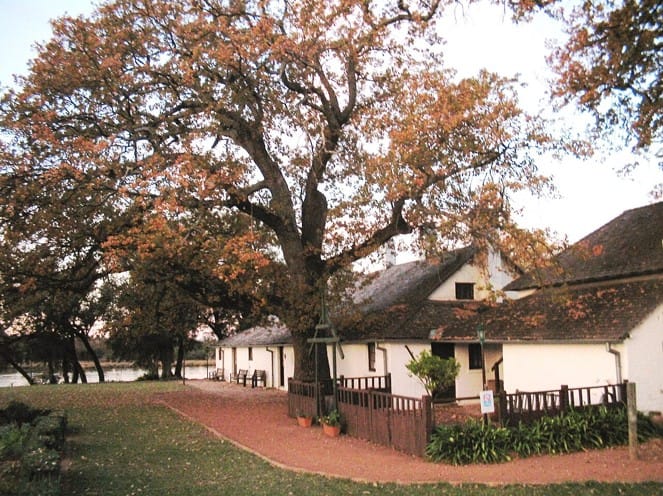
By 1839, they built the third home, a brick house, that we now know as:
Tranby House
One of the oldest surviving homes in metropolitan Perth.
Farming, Industry and Expansion
Joseph Hardey wasn’t just surviving — he was building wealth.
By the mid-1830s:
- 30 acres under cultivation
- Livestock established
- A windmill built to grind wheat
This peninsula became one of the most productive early farms in the colony.
And importantly — it became a foundation for subdivision.
From Farm to Suburb
Over time, Peninsula Farm didn’t stay whole.
It was divided.
Sold.
Developed.
By the early 1900s, the land had been broken into smaller lots.
And that process — that shift from large estate to subdivided land — is exactly how Maylands as a suburb was born.
So when you walk around Maylands today…
You are walking across what was once Hardey farmland.
The Hardey Name Across WA
Here’s something many people don’t realise.
The Hardey name didn’t just stay in Maylands.
It spread across Western Australia.
Roads. Properties. Regions.
Most notably:
- Wall Street — named after John Wall Hardey
- Various Hardey-named locations across the state
This was a family deeply embedded in early colonial development.
Their influence extended into:
- Religion (Wesleyan Methodism)
- Agriculture
- Land development
- Community leadership
The National Trust Connection
By the 20th century, the Hardey story could easily have been lost.
But thankfully, it wasn’t.
The property was saved and later acquired by the National Trust in 1972.
And in a remarkable moment of reflection, a Hardey descendant later presented to the National Trust, mapping out just how widespread the family’s influence had been across Western Australia.
It reinforced something important:
This wasn’t just a local story.
This was a state-building story.
Key Hardey Family Biographies
Joseph Hardey (1804–1875)
- Wesleyan preacher and leader of the Tranby settlers
- Arrived 1830
- Established Peninsula Farm
- Built early Tranby houses
- Key figure in early agriculture and religion in WA
John Wall Hardey (1802 -1885)
- Brother of Joseph
- Co-organiser of the Tranby voyage
- Early settler and diarist
- Namesake of Wall Street
Richard Watson Hardey (1844 – 1910)
- Son of Joseph
- Took over Peninsula Farm in the 1860s
- Eventually controlled the full peninsula estate
- Key figure in transition from farm to subdivided land
Why the Hardeys Matter
The Hardey family didn’t just settle Maylands.
They shaped it.
They turned:
- Bush into farmland
- Farmland into community
- Community into suburb
They laid down the physical, economic, and cultural foundations of European Maylands.
And today, every street, every block, every home built on that peninsula…
sits on the legacy of that first bold decision:
To sail on the Tranby,
and build a life from nothing.
You can read more about the Hardey Family by visiting our Flckr information.