This website uses cookies to improve your experience. We\'ll assume you\'re ok with this, but you can opt-out if you wish. Read More
The Swan River floodplain contained rich alluvial clay deposits which were ideal for brickmaking and pottery.
From roughly the late 1890s, clay extraction began across parts of the Maylands Peninsula.
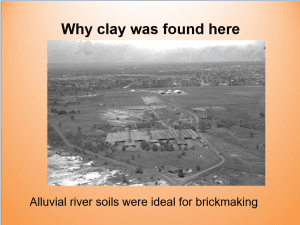
This coincided with rapid suburban growth in Perth with demand for bricks being enormous.
Local clay meant local building materials — reducing transport costs and supporting expanding suburbs.
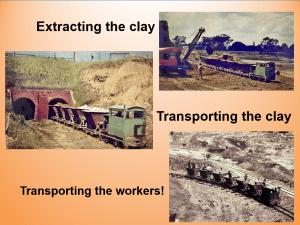
To move the heavy clay, simple industrial tramways were laid across the pits.
Small wagons — often narrow-gauge — carried loads from excavation sites to nearby kilns and processing areas.
This was noisy, physical work. Men with shovels and picks shaped the ground. Steam or horse power moved materials.
By roughly the 1950s–1960s, clay extraction in Maylands was largely finished.
What remained were:
- large excavated depressions
- uneven ground
- abandoned industrial remnants
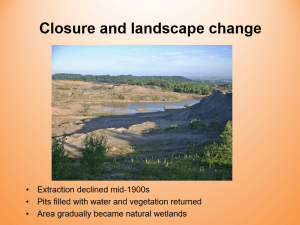
Over time, water filled many pits. Vegetation returned.
Birdlife began to use the new wetland environments.
What had been accidental landscapes of extraction became emerging ecological zones.
This transformation reflects an important planning shift. Rather than filling or developing every industrial scar, some areas were allowed — or encouraged — to evolve into naturalistic wetlands.
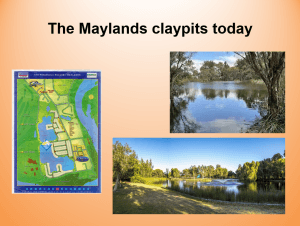
These spaces now contribute to:
- biodiversity
- flood management
- environmental education
Today many former claypits appear as attractive ornamental lakes. They also preserve a visible reminder of past land use.
Walking paths, landscaping and recreational facilities have been added.
It is easy to forget that these calm waters were once sites of intense industrial activity.
Yet this layered landscape tells a powerful story:
- industry created the pits
- nature reshaped them
- planning transformed them into community assets
You can see more images of the Claypits in our Flickr album