This website uses cookies to improve your experience. We\'ll assume you\'re ok with this, but you can opt-out if you wish. Read More
Market Gardens of the Peninsula
If you go back to the late 1800s, much of the Maylands peninsula—especially from Peninsula Road down toward the Swan River—was not suburbia at all.
It was low-lying, swampy land.
And that made it perfect for market gardening.
Across Perth, and very likely here in Maylands, these wetlands attracted Chinese gardeners—highly skilled growers who transformed difficult land into incredibly productive plots.
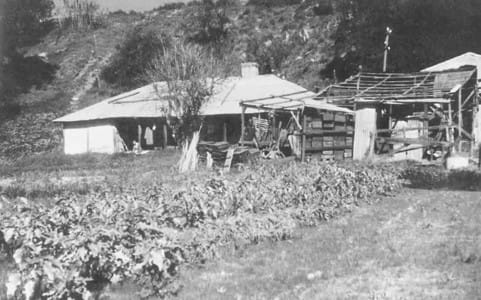
By the early 1900s, Chinese gardeners were responsible for most of the fresh vegetables grown in Western Australia.
And here in Maylands, we know specific names and places:
- Ah Vam’s garden on Peninsula Road in the late 1880s
- On Hop’s garden, where workers like Chung Shee were employed
These were not small backyard patches.
They were organised, intensive agricultural systems:
- Irrigated using shallow wells
- Divided into neat rectangular plots
- Producing vegetables year-round
This land—what we now walk across without thinking—was once alive with rows of cabbages, carrots, and greens.
These gardens weren’t just agriculture—they were migration stories.
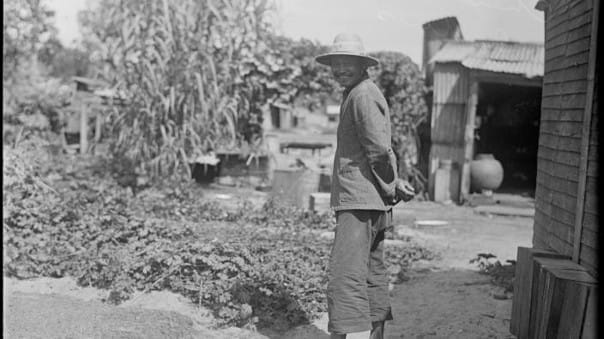
Most Chinese gardeners came from Guangdong, bringing with them generations of farming knowledge.
But their lives here were tough:
- They faced discrimination and legal restrictions
- Many lived without their families
- They worked long hours in physically demanding conditions
And yet, they supplied the city.
They sold vegetables:
- Directly to households
- Door-to-door
- Into early Perth markets
Without them, Perth simply wouldn’t have eaten as well as it did.